An exam worth $75–$150.
- Consultation
- Examination
- Computerized nerve analysis
- A report of the findings
Simply call 508-291-4898 and mention the “Website New Patient Special” to receive the special pricing for the exam.
About Us
Your Chiropractor in Wareham, MA
Welcome to New England Family Chiropractic and thank you for visiting our web site. It is our hope that the following pages can be of assistance to you in some way. Whether you are a current or future chiropractic patient, the following pages are designed to empower you to reach your personal and professional goals.
We offer the information contained on this chiropractic website to everyone seeking knowledge on the wonders of good health through chiropractic. Our office recognizes the hazard that Vertebral Subluxation causes in your quality of life. We believe everyone deserves a healthy life, free of vertebral subluxation.
Please take advantage of all the information provided and contact us personally if we can offer specific information suited to your healthcare needs. Remember, we are here because CHIROPRACTIC WORKS!
…and yes, most insurances are accepted.
We go to great lengths to educate our patients about Chiropractic, their health, the importance of a healthy spine, proper nutrition, exercise and healthy lifestyle choices. Dr. Thornell has put together dozens of videos to help you keep your family healthy as well as to share with others who are considering Chiropractic care for their family — see the video library below.
Doctors and Staff
Meet the Doctor
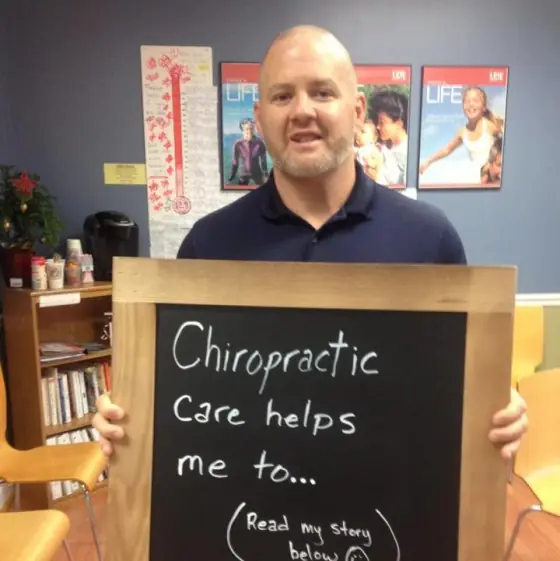
Dr. Chris Thornell is originally from Marion. Dr. Thornell attended Jacksonville University and Umass Dartmouth before going to Palmer College of Chiropractic in Davenport, Iowa. Upon graduation from Chiropractic College he continued his education and received 2 post graduate degrees; the first as a Certified Chiropractic Sports Physician, and the second as a Certified Strength and Conditioning Specialist.
Dr. Chris has been honored nationally as the Family Chiropractor of the year and was selected to be part of the 12 doctor board making up the Council on Family Practice for the World Chiropractic Alliance and is the host of television’s Naturally Healthy TV and has practiced in Wareham since 1997.
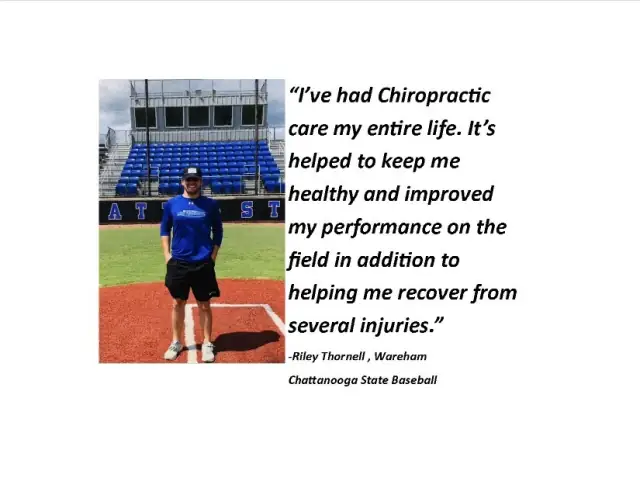
Dr. Chris and his wife, Stephanie have 5 children (Karissa, Cooper, Camryn, Riley and Keeley) and a dog named Harper. He and his family live in Wareham. Dr. Chris is very involved in the community and coaches many youth sports teams, as well as running a baseball and softball strength training program. In his free time…..
Who are we kidding?…He has no free time.
“My Chiropractic journey began when I was 14 years old. I had suffered with migraine headaches for many years and had tried everything that the medical field had to offer with no relief. Finally someone recommended that I should see a Chiropractor and boy was I glad I did. Within weeks my headaches stopped. It made such an impact on my life that, even at just 14 years old, I knew I would become a Chiropractor one day and help people the way I was helped.”— Dr. Chris Thornell
Meet Our Staff
Our staff has been helping people live pain free since this clinic opened in Wareham in 1997. The staff is experienced and committed to promoting health.

Debi Boucher Andrews
Office Manager since 1999
Deb’s is the friendly voice that greets you on the phone and the friendly face that greets you at the door. She has been our office manager since 1999.
Deb originally came to our office as a patient in 1997 after suffering with migraines for many years. She was so impressed with our office that she came to work here and hasn’t left since!
Services Offered
A modern facility known for its range of chiropractic techniques
Spinal Adjustment
In this quick video Dr. Thornell explains the need for chiropractic adjustments and the goal of the results.
Watch Dr. Thornell explainOn-Premise X-Ray Facility
Spinal x-rays are taken right here in the office when appropriate, so you get answers in one place.
What to expect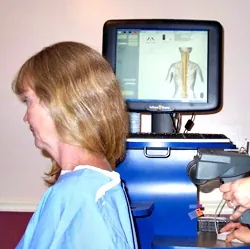
SEMG & Thermal Scan
Surface EMG and thermal scans measure how your spine and nervous system are functioning — see First Visit.
Kids Adjusting Room
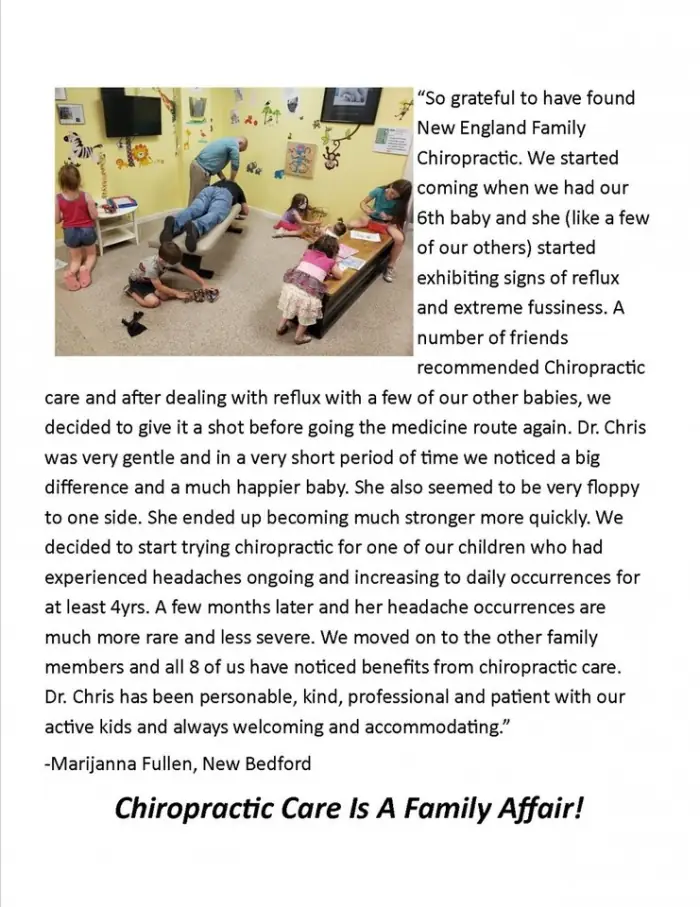
A dedicated kids adjusting room and table, because chiropractic is for the whole family.
Kids & chiropracticPatients
What should you expect on your first visit with us?
At our chiropractic center our examinations procedures are geared toward detection and correction of the “Vertebral Subluxation” (see Subluxation Explained for more information). The procedures we use are therefore specifically selected for your spine and nervous system health. There are a couple of things that you should expect when you have a first visit at our clinic.
Our Examination consists of a thorough spinal and nervous system exam which includes “Palpation”. Palpation essentially is checking your spine by hand. With this exam the doctor can feel areas of your spine that may be involved with subluxations problems. Spinal position, curvatures and muscle tone can also be examined as it relates to possible spinal subluxations. Your examination may also include some specialized equipment designed to better access your spine and nervous system. This examination could involve several components.
The first part of this examination process may involve reading spinal heat differences from one level of the spine to another, as well as from one side of the spine to the other. Heat is a byproduct of circulation, which is controlled by the autonomic nervous system. From this we can see how subluxation may be affecting these functions of your nervous system.
In the second part of this examination scans may be performed on the surface of your spinal area to evaluate surface electrical impulses and measure them along your spine. This helps measure the effect of subluxation on the motor nerve system and the affect subluxations may be having on your muscles.
The importance of each of these tests will be explained to you at your Report of Findings. However, it is important to note that this examination helps scientifically understand the subluxation processes going on in your spine. It also gives us a baseline for future tests so we can accurately measure your progress to see how your spine is correcting and your nervous system is functioning. Using these examination procedures is much more accurate than just depending on “how you feel” on any given day.
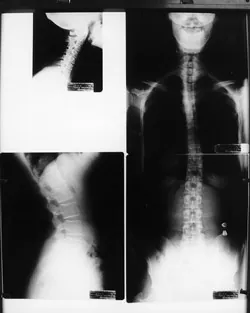
Spinal X-rays may be taken depending on your age, and situation. There are many reasons why we would not take x-rays on certain patients including pregnancy, most children, recent usable spinal x-rays and some other various situations. Aside from these situations, x-rays are a common part of the examination process when looking for vertebral subluxations. X-rays give us important information including the position of the spinal bones, and the quality of the spine and safety of adjusting it. X-rays also tell us the relative length of time subluxations may have been involved in your spine. Commonly, most patients receive three spinal x-rays at the beginning of care.
With this important information we can make a more accurate determination of the type of adjustments your spine needs as well as the ongoing frequency of your care. Your x-rays will be explained to you and covered in detail at your Report of Findings. You will be scheduled for your Report of Findings within a few days of your initial visit. This visit is your most important visit and may take up to one hour. It is at your Report of Findings that we will give you a care plan and go over any special instructions you will need to obtain the best and fastest possible results. We have set aside specific times for these visits so as not to interfere with regular patient care hours.
New Patient Forms
Wellness Library
Learn how chiropractic works
Subluxation, the nerve chart, kids, sports, immunity and seniors — everything from our wellness library in one place.
Subluxation
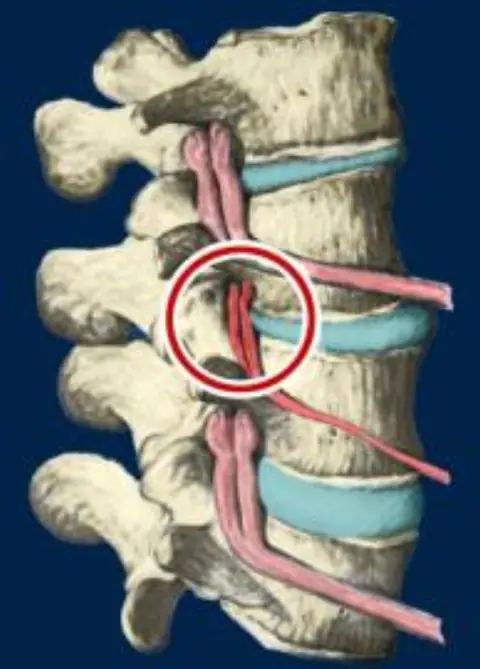
In simplest terms, a subluxation (a.k.a. Vertebral Subluxation) is when one or more of the bones of your spine (vertebrae) move out of position and create pressure on, or irritate spinal nerves. Spinal nerves are the nerves that come out from between each of the bones in your spine. This pressure or irritation on the nerves then causes those nerves to malfunction and interfere with the signals traveling over those nerves.
How does this affect you? Your nervous system controls and coordinates all the functions of your body. If you interfere with the signals traveling over nerves, parts of your body will not get the proper nerve messages and will not be able to function at 100% of their innate abilities. In other words, some part of your body will not be working properly. It is the responsibility of the Doctor of Chiropractic to locate subluxations, and reduce or correct them. This is done through a series of chiropractic adjustments specifically designed to correct the vertebral subluxations in your spine. Chiropractors are the only professionals who undergo years of training to be the experts at correcting subluxations.
Now, the detailed explanation.
Subluxations are really a combination of changes going on at the same time. These changes occur both in your spine and throughout your body. For this reason chiropractors often refer to vertebral subluxations as the "Vertebral Subluxation Complex", or "VSC" for short.
In the VSC , various things are happening inside your body simultaneously. These various changes, known as "components," are all part of the vertebral subluxation complex. Chiropractors commonly recognize five categories of components present in the VSC . These five are:
The osseous (bone) component is where the vertebrae are either out of position, not moving properly, or are undergoing physical changes such as degeneration. This component is sometimes known as kinesiopathology .
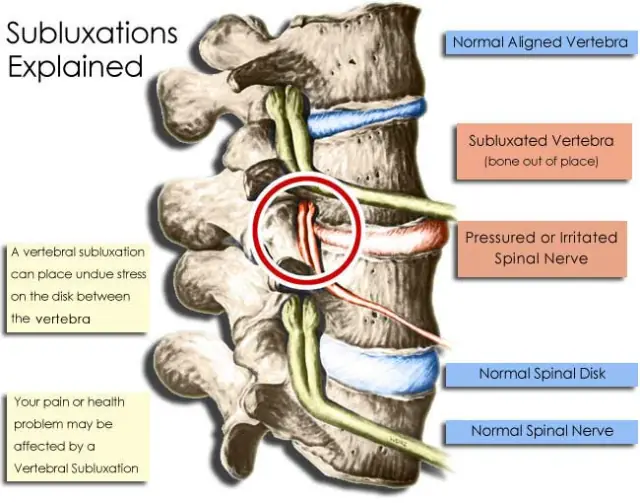
The Nerve Component is the malfunctioning of the nerve. Research has shown that only a small amount of pressure on spinal nerves can have a profound impact on the function of the nerves. This component is scientifically known as neuropathology .
The Muscle Component is also involved. Since the muscles help hold the vertebrae in place, and since nerves control the muscles themselves, muscles are an integral part of any VSC . In fact, muscles both affect, and are affected by the VSC . This component is known as myopathology .
The Soft Tissue Component is when you have misaligned vertebrae and pressure on nerves resulting in changes in the surrounding soft tissues. This means the tendons, ligaments, blood supply, and other tissues undergo changes. These changes can occur at the point of the VSC or far away at some end point of the affected nerves. This component is also known as histopathology .
The Chemical Component is when all these components of the VSC are acting on your body, and therefore causing some degree of chemical changes. These chemical changes can be slight or massive depending on what parts of your body are affected by your subluxations. This component is often known as biochemical abnormalities .
Chiropractors have known about the dangers of subluxations for over one hundred years. Today, more scientific evidence is showing the dangers of subluxations and the health benefits of correcting them. To be truly healthy, it is vital that your nervous system be functioning free of interference from subluxations. Our goal is to allow your body to return itself to the highest level of health possible by correcting VSC. Chiropractors are the ONLY health professionals trained in the detection, location, and correction of the VSC .
This is a representation of one type of subluxation. A subluxation, as defined by the Association of Chiropractic Colleges is: "A subluxation is a complex of functional and/or structural and/or pathological articular changes that compromise neural integrity and may influence organ system function and general health." When a subluxation occurs it causes nerve interference in some portion of the body affected by those nerves. The subluxation causes changes to the structure as well as the nerves. These changes get progressively worse as time is allowed to work on the subluxated area of the spine. These changes take the form of ongoing degeneration known as "subluxation degeneration". By understanding the type and amount of changes, it is possible to reasonably estimate the time subluxations have been present in a spine. Having this information is useful in understanding the time and effort needed for correction.
Near Normal
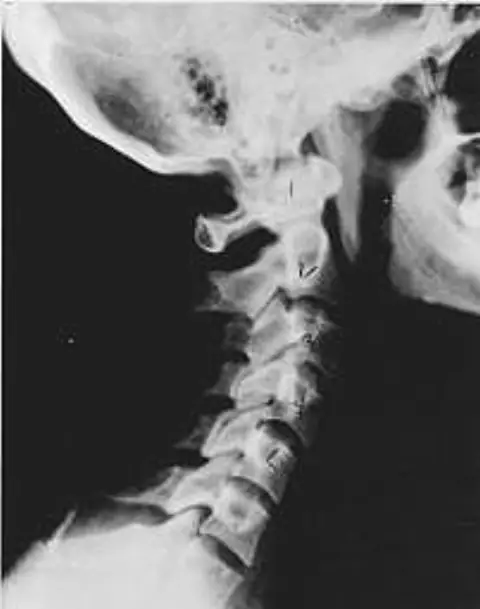
This is a side x-ray view of the neck. As with all the pictures you will see on this page, the patient is looking to the right of the screen, so you are viewing the right side of their neck. We will call this picture a "near normal" spine. Compare this spine with the ones you will see below on this page. Notice the normal forward curve of the neck. This curve helps absorb shock. Notice how each of the disc spaces between C2 (second bone in neck) and C7 are thick and even, this again is normal. Also notice how the front portions (right on the x-ray) of each of the vertebrae (called the 'body' of the vertebrae) are fairly square with clear and well defined borders. This type of arrangement is normal in the neck. Normal vertebrae in other parts of the spine also have similar characteristics to what we see here. When subluxations occur and are left uncorrected, ongoing relentless changes occur that result in damage to the structure and function of the spine along with nerve damage and the resulting problems caused from improper nerve supply.
Phase One - Subluxation Degeneration
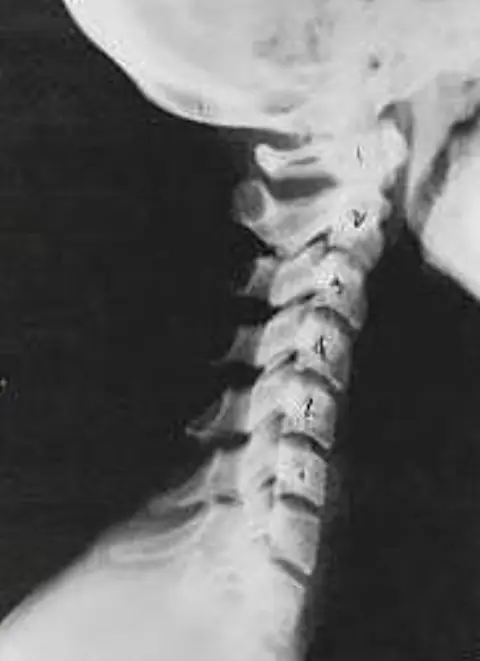
Phase One Subluxation Degeneration is seen in subluxations that have been present for up to twenty years. This phase is characterized with a loss or change in the normal curve in the spine. On this example you can see that the normal forward (lordotic) curve is lost. This spine even has developed a reverse curve in the neck. The disc spaces have also begun to exhibit a slight change in shape. One good point is that the bodies of each of the vertebrae (the square part in front) still exhibits clean clear borders. Segmental motion may be abnormal but overall motion is probably not affected. Chiropractic reconstructive care for a phase one can take from 6 to 18 months. More than 80% of people with Phase One Subluxation Degeneration have no pain. Therefore, if left uncorrected, phase one continues to progress with time until it eventually reaches the next phase.
Phase Two - Subluxation Degeneration
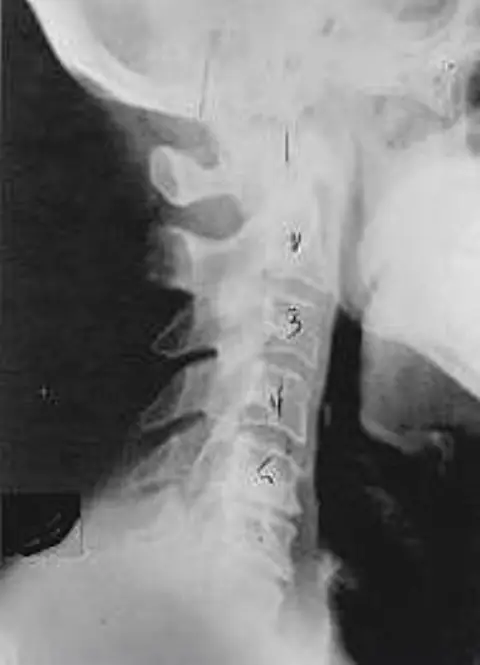
Phase two subluxation degeneration is normally seen in subluxations that have been present between 20 and 40 years. This phase has some of the same characteristics of the previous phase including a loss of normal curvature and position as well as an alteration in segmental motion. In addition, spines with Phase Two Subluxation Degeneration many times show a reduction in the patient's range of motion in that area. X-rays of a phase two begin to show calcium changes or buildup at certain levels of the spine. These changes are sometimes called by many names including spurs and arthritis. Disc spaces between the affected vertebrae are noticeably narrower and may appear to be flattening out. Although most people with Phase Two Subluxation Degeneration may not exhibit any symptoms, some may start to feel stiff or achy. Chiropractic reconstructive care for patients in phase two ranges from 1.5 years to 2.5 years. Again, if Phase Two Subluxation Degeneration is left uncorrected it slowly advances to the next phase.
Phase Three - Subluxation Degeneration
Phase Three Subluxation Degeneration is caused by subluxations that have been continuing on for between 40 and 65 years. This phase has all of the attributes of the previous phases, only worse. The curvatures are abnormal, the disc spaces are vastly decreased and changed. Calcium changes on the spine are abundant in this phase. Normally, people in phase three have a restricted range of motion and probably exhibit symptoms of some kind. In phase three the vertebrae show obvious changes and mutations in shape. Projections made of calcium, sometimes referred to as "spurs or lipping", can be readily seen on x-ray. Chiropractic reconstructive care for patients in phase three ranges from 2.5 years to 3.5 years. This does not mean that at the end of this time that any or all of the calcium changes will be gone. In many instances the body adapts to the presence of the calcium and positive changes can only be measured from a functional standpoint. As before, if Phase Three Subluxation Degeneration is left unchecked it slowly advances onward into the next phase.
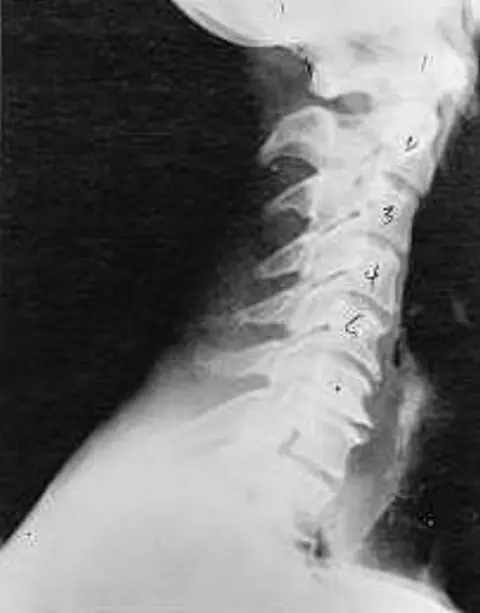
Phase Four - Subluxation Degeneration
Phase four subluxation degeneration is seen with subluxations that have been raging on uncorrected or altered for over sixty five years. Phase four is a grave condition that will negatively affect the patients longevity and quality of life. The massive amount of neurological damage caused by years of subluxation that have lead to phase four are probably taking a serious toll on this person's health status. X-rays in phase four show serious severe structural changes. Vertebrae exhibit massive calcium changes, disc spaces appear blurred, and the bones themselves appear fused. In this scenario the patient will have a severe restriction of range of motion in addition to probably a number of other health issues. Reconstruction may not be possible in phase four, but care can be directed to some reduction in subluxation with the goal of improvement in the quality of life remaining. Patients in Phase Four Subluxation Degeneration have a serious situation both structurally and neurologically, but they are certainly not beyond hope. Many patients in phase four report significant improvements in symptoms, conditions, mobility and quality of life.
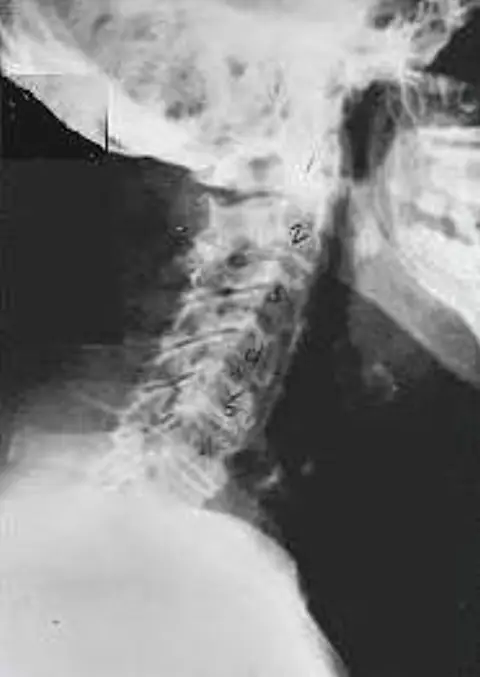
It should be noted that the above are common guidelines and not hard rules. Every person is dynamic and different. People degenerate at different rates and heal at different rates. The further along your spine may be with subluxation degeneration the more strenuous and time consuming your road to improvement will be. For this reason we always stress early care to stop and prevent the advancement of subluxation degeneration. Of course, if you're not under chiropractic care, the best time to start is NOW!
Each vertebra protects spinal nerves that serve specific parts of the body. This chart shows the areas associated with each level of the spine.
| Vertebra | Areas affected | Related symptoms |
|---|---|---|
| C1 (Atlas) | Blood Supply to Head, Bones in Face, Brain, Ears, Eyes, Heart, Inner/Middle Ear, Lungs, Pituitary Gland, Scalp & Sympathetic Nervous System | Chronic Tiredness, Dizziness, Headaches, High Blood Pressure, Migraines, Paralysis |
| C2 (Axis) | Auditory Nerves, Eyes, Forehead, Heart, Mastoid Bones, Optic Nerves, Sinuses & Tongue | Deafness, Earaches, Eye Trouble, Sinus Troubles |
| C3 | Bones, Cheeks, Face, Lungs, Outer Ear, Teeth & Trifacial Nerve | Acne or Pimples, Bad Teeth, Bleeding Gums, Facial Nerve Pain, Neuralgia, Plaque, Spots, Tinnitus, Toothache |
| C4 | Eustachian Tube, Lips, Lungs, Mouth, Mucus Membranes & Nose | Adenoids, Catarrh, Chapped Lips, Constant Cold, Cramped Lip Muscles, Hearing Loss |
| C5 | Neck Glands, Pharynx & Vocal Cords | Chronic Cold, Hoarseness, Laryngitis, Sore Throat |
| C6 | Neck Muscles, Shoulders & Tonsils | Croup, Goiter, Pain in Upper Arm, Stiff Neck, Tonsilitis, Whooping Cough |
| C7 | Elbows, Bursa in Shoulders & Thyroid Gland | Bursitis, Colds, Depression, Fear, Thyroid Conditions |
| T1 | Arms, Esophagus, Forearms, Hands, Heart, Trachea & Wrists/Fingers | Furry feeling in Fingers, Ligament Inflammations, Lower Arm/Hand Pains, Neck Cramps, Shoulder Pains |
| T2 | Heart including Valves and Coronary Arteries & Lungs including Bronchial Tubes | Chest Pain, Disruption in Rhythm, Fears, Heart Trouble |
| T3 | Breast, Bronchial Tubes, Chest, Heart, Lungs & Pleura | Asthma, Breathing Difficulties, Bronchitis, Cough, Disruption in Chest, Influenza, Pleurisy, Pneumonia |
| T4 | Bronchial Tubes, Common Duct, Gallbladder, Heart & Lungs | Gallbladder Troubles, Gall Stones, Headaches on One Side, Jaundice |
| T5 | Circulation, Esophagus, Heart, Liver, Solar Plexus & Stomach | Anemia, Arthritis, Circulatory Weakness, Disruptions in Liver, Fatigue, Low Blood, Shingles |
| T6 | Duodenum, Esophagus, Liver, Peritoneum & Stomach | Diabetes, Heartburn, Stomach/Digestion Problems |
| T7 | Adrenal Cortex, Appendix, Kidneys, Large Intestine, Ovaries, Pancreas, Spleen, Testes & Uterus | Duodenal Ulcers, Feelings of Weakness, Hiccups, Lack of Vitamins, Stomach Complaints |
| T8 | Adrenal Cortex, Gallbladder, Liver, Pancreas, Pyloric Valve, Small Intestine, Spleen & Stomach | Spleen Problems, Weak Immune System |
| T9 | Adrenal Cortex, Gallbladder, Ovaries, Pancreas, Small Intestine, Spleen & Uterus | Allergies, Nettle Rash |
| T10 | Adrenal Cortex, Appendix, Kidneys, Large Intestine, Ovaries, Pancreas, Spleen, Testes & Uterus | Chalked-Up Arteries, Chronic Tiredness, Kidney Problems, Retaining of Salt |
| T11 | Adrenal Cortex, Adrenal Medulla, Ileocecal Valve, Kidneys, Large Intestine, Ureters, Urinary Bladder, Uterus & Ovaries | Boils, Eczema, Psoriasis, Raw Skin, Skin Diseases like Acne, Spots |
| T12 | Ileocecal Valve, Kidneys, Large Intestine, Lymph Circulation, Small Intestine, Urinary Bladder & Uterus | Disruption in Growth, Erectile Dysfunction, Infertility, Problems with Small Intestine, Rheumatism, Wind |
| L1 | Inguinal Rings, Large Intestine & Uterus | Circulation in Intestine, Constipation, Diarrhea, Problems with Large Intestine |
| L2 | Abdomen, Appendix, Upper Leg & Urinary Bladder | Hyper Acidity, Problems with Appendix, Stomach Cramps, Varicose Veins |
| L3 | Bladder, Knees, Large Intestine, Prostate, Sex Organs & Uterus | Bed Wetting, Bladder Pain, Impotency, Knee Pain, Menopause Problems, Menstruation Pains, Miscarriages |
| L4 | Lower Back Muscles, Prostate Gland & Sciatic Nerve | Lumbago, Painful/Frequent Urination, Prostate Trouble, Sciatica |
| L5 | Ankles, Feet, Lower Legs & Prostate | Circulation in Legs/Feet, Cold Feet, Leg Cramps, Swelling of Legs/Feet, Weakness in Legs |
| SACRUM / COCCYX | Anus, Buttocks, Genitalia, Hip Bones, Prostate, Rectum, Sex Organs, Ureter & Urinary Bladder | Abdominal Problems, Chronic Constipation, Hemorrhoids, Itching of the Anus, Pain Sitting, Pains in Legs/Feet, Sacral Plexus, Sciatica |
Some of the foremost experts in chiropractic have taken the time to answer common questions. Here are the questions they cover:
- Why do Seniors need chiropractic care?
- Why do children need chiropractic?
- How can chiropractic help ear infections?
- Do children need a chiropractic adjustment?
- What is a chiropractic lifestyle?
- How does a chiropractic adjustment work?
- Is chiropractic accepted?
- What is a subluxation?
- Do athletes need chiropractic?
- Why should I go to a chiropractor?
- Is chiropractic important as I grow older?
- How does chiropractic fit into fitness?
- Do families need chiropractic care?
- How can chiropractic help my golf game?
- Is Chiropractic recognized?
Featured experts
- Dr. Kevin Fogarty — Why do Seniors need chiropractic care? Dr. Fogarty explains why seniors need chiropractic and how it increases their ability to function.
- Dr. Claudia Anrig — Why do children need chiropractic? Dr. Anrig explains the preventative and wellness benefits children receive from chiropractic care, and how it can have a life-long benefit.
- Dr. Christopher J. Colloca — How can chiropractic help ear infections? Dr. Colloca explains how nerve interference in the neck can lead to functional problems in the ear resulting in ear infections, and how chiropractic can then help.

Overview
Regardless of age, a properly functioning nervous system, free from interference from subluxation, is essential for development and growth. Chiropractic has not only been shown to help children with a variety of health challenges, but chiropractic helps children achieve a higher level of performance and function.
To find specific articles and research about a health issue or age group, please use the article topic search feature to the right of this page.
Pregnancy
Chiropractic has helped countless women throughout their pregnancies. Expecting mothers report that their problems with back and leg pain are helped, while others experience an easier birth process with chiropractic. Clinical research has documented chiropractic helping numerous cases of pregnant women whose fetus was in a less than optimal position or breech. After specific forms of chiropractic care, many pregnant women achieved improvement of the fetal position resulting in an easier birth.
Newborns, Infants and Babies
It has been well documented that the birth process can be traumatic on a young newborn’s spine. Nerve system interference, known as subluxation, created during the birth process can have a serious impact on a baby’s health and development. Many clinical studies have documented a variety of health issues in infants being resolved under chiropractic care.
Adjustments given to newborns, infants or babies are very different from those given to adults. Specific adjusting techniques are used to gently correct spinal issues safely, with no discomfort. Studies have proven the effectiveness and safety of chiropractic care on the youngest of the population.
Toddlers and Pre-school
As toddlers begin to walk, a whole new dynamic of spinal function comes into play. Not only is gravity being applied to the spine differently than when the baby was crawling, but toddlers often fall when learning to walk. This is a critical time to make sure that the spine and nervous system is free from interference due to subluxation. A large volume of documented cases have shown that children with a variety of health issues lead normal and healthy lives with chiropractic. Many common childhood issues would be less common if more children had their spines checked for subluxation.
Adjustments given to toddlers and children are specifically designed for their young spines. Chiropractic has been shown to be both safe and effective for this age group.
Children
Children in school are subject to a variety of spinal stresses that can create issues in their young spines and nervous systems. Not only are they sitting at a school desk for extended periods of time, but in many cases, they are carrying heavy backpacks on their developing spines. Additionally, many children are either starting sports and increasing their activity, or spending more time in front of electronic media, and the possibility of subluxation creation becomes obvious.
Attention to a child’s spine and nervous system is the best way to ensure that your child grows and develops properly. Chiropractic is the one health profession that deals with the detection and correction of subluxations, thus allowing children to express better health.

Overview
Athletes want to win! Winning requires optimum performance. The ability to perform at the highest level is dependant on the proper function of the nervous system. Therefore, the athlete's nervous system must be functioning at its peak level to be competitive in any sport or activity.
Chiropractic helps both professional and amateur athletes perform at their best. Chiropractic is the only profession that deals with the detection and correction of subluxations. Subluxations are when spinal vertebrae are malpositioned and create interference to the function of the nervous system.
Subluxations not only create nerve interference that can alter the signals coming from the brain heading to the muscles, they can also alter the signals that return to the brain to report how the muscles are functioning. Chiropractic care focuses on the correction of subluxations, thus removing the interference to the nervous system and allowing the athlete to perform at their highest possible potential.
How an Athlete Performs
Athletic performance depends upon the ability to properly coordinate movement, endurance, and strength. These functions are all controlled by the nervous system. The brain generates the intent and sends the signals to the individual muscles to perform the activity intended.
It is essential that the signals generated in the brain are transmitted clearly and cleanly to the intended muscles. Only then can those muscles perform the complex and exact movements necessary for athletic performance. Any interference with nerve signals will decrease the athlete's ability to perform at the highest competitive level.
Optimum Performance with Chiropractic
Participation in any sport requires proper function of the muscles and the nerves that control them. A nerve system free from subluxations will allow for optimal performance in any sport, both on the highest professional level, and for the weekend enthusiast.
Many professional sports teams, including every team in the National Football League, have chiropractors on staff to ensure that their players can perform at their maximum level. Studies have shown that chiropractic care can result in a 14.8% increase in reaction time. For a player, this can be the difference between making the team, or making the hall of fame.
Athletes depend on the highest levels of performance. Many will report having achieved personal bests in their respective sports after starting chiropractic.
Sports Injuries and Chiropractic
Both professional and amateur athletes test the limits of their bodies while performing their sports. A body that is functioning at less than 100%, due to subluxations, will be more prone to injury. This is another reason why many athletes are under regular maintenance chiropractic care. Avoiding injuries is the best way to stay in the game.
In sports, injuries are sometimes unavoidable. Chiropractic helps athletes recover quickly and completely by making sure the nervous system is is free of interference therefore maximizing the body's healing abilities. If subluxations are present, the resulting nerve interference will cause the healing process to take longer, or not heal correctly.
Regardless of whatever other treatments an athlete may seek for their injury, chiropractic should be included as part of the recovery regime.
Wellness and Quality of Life
Even if you are not a professional level athlete, your quality of life and enjoyment of activities depends on a properly functioning nervous system. This is why millions of people see a chiropractor on a regular basis.
Movement depends both on proper structure and proper function. Chiropractic allows for better structure and function by correcting subluxations that can negatively affect both your physical structure and your nervous system function.
Good health is important to everyone. Being physically fit is only one part of being truly healthy. Proper diet, proper physical activity, a good mental attitude, proper rest, and a properly functioning nervous system free of interference from subluxation are all essential for being totally healthy.
No matter what your chosen sport or activity is, chiropractic can help you perform better, while increasing your enjoyment and quality of life. Simply put, chiropractic can help you - be a better you.
Chiropractors do not claim to treat infectious diseases. What chiropractic does is allow your body to function free of nerve system interference and closer to your full potential. Understanding the spread of infectious disease and how best to defend yourself can lessen the fear as well as your chances of being impacted by infectious pathogens.
Two Types of Defenses
There are generally two types of defenses to viruses and pathogens. One is external and the other is internal. An external defense is something you can do to lessen your chances of being infected, or if infected, decrease the severity of the event. An internal defence is working with your body's own immune system to heighten your natural immunity and decrease the chances of catching the disease or the impact from it should you catch it.
External Defences
External defences include measures having to do with reducing the risk of exposure. These include general cleanliness and disinfectants. Precautions such as avoiding sneezing on someone, or being sneezed on by someone is obvious. Hand washing after using public facilities, as well as the correct usage of hand sanitizer can also help. It should be noted that overuse of hand sanitizer is detrimental and can actually weaken your defenses.
Masks and protective clothing are recommended for use by health professionals who are most at risk to exposure to infectious pathogens as well as for those who are already infected. Authorities in the U.S.are not recommending masks for general usage in lesser risk situations.
Our clinic staff takes every precaution, and is extremely diligent to ensure that our facility and equipment are sanitized to eliminate the threat of infectious disease spread.

Internal Defences
Internal defenses are those that your body innately has. These defenses are an important line of defense against any sort of pathogen. Functioning at the highest possible level, your immune system should be nearly impenetrable to the normal exposure to pathogens that can make you sick. The key here is having your immune system functioning as close to 100% of its innate ability as possible.
Do Not Lower Your Innate Immunity
There are two ways to ensure that your defense systems are functioning properly. The first way is to not do things to yourself that can lower your internal immune system. Avoiding things such as smoking and alcohol are big factors. Avoiding stress as best you can is also important. We should also minimize unnecessary medications and over-the-counter remedies that may weaken the body's ability to defend itself.
A big area that we have control over is what we eat. Processed food, refined sugar, bleached flour, and foods with additives can have a negative impact on your immune system. There is a large volume of information available on what foods negatively impact your immune system.
Lack of exercise or sleep can have a negative impact on your immune system. It has been shown that people who exercise properly and get the correct amount of sleep are less likely to get sick. Daily good habits in this area can help you against the threat of infectious diseases.
Maximizing Your Innate Immunity
Your nervous system controls and coordinates all the systems in your body. Anything that interferes with proper nerve system function will have a negative impact on all your body systems including your immune system. Chiropractic is based on restoring proper nerve system function. The purpose of chiropractic care is to correct interference in your nerve system by correcting vertebral subluxations. Subluxations can cause your nerve system to function at less than optimum and therefore have a negative effect on your overall function and health.
Correcting subluxations through specific scientific chiropractic adjustments help to ensure that your nerve system and, therefore, all systems in your body are functioning as close to their maximum innate potential as possible. This increases your potential to stay healthy.

The Aging Population
The aging process is inevitable. But getting on in years does not have to mean the loss in our quality of life. Good health is essential to enjoying our later years. Having good health at an older age is not a matter of chance. There are many things that contribute to good health and an enjoyable life. Chiropractic is one of those things.
Whether you are old or young, your nervous system controls all the functions and systems of your body. The signals that emanate from your brain must be clear and exact when they reach the intended body part. Any interference along the pathways between the brain and the body will result in that body part not being able to function correctly.
Chiropractors know that the most common cause of interference to the nerve system is from subluxations. A subluxation (a.k.a. Vertebral Subluxation) is when one or more of the bones of your spine (vertebrae) move out of position and create pressure on, or irritate spinal nerves. This pressure or irritation on the nerves then causes those nerves to malfunction and interfere with the signals traveling over those nerves. Subluxations are the main focus of what Doctors of Chiropractic work to correct.
Mobility
One of the biggest concerns that seniors express is the desire to remain mobile. Mobility means independence and allows us to participate in our daily activities.
Mobility is not only dependent on the ability of your joints and muscles to move properly. Mobility is also a function of the nerves that control those muscles and joints. It is, therefore, essential that your nervous system be functioning at its maximum potential and free of interference from subluxations.
People under chiropractic care report that they not only have better mobility, they also experience a better quality of life and more freedom that comes from increased mobility.
Function Better
Proper function is a key factor for experiencing good health. You cannot be truly healthy if parts of your body are not functioning at their highest potential.
Most people know that the nervous system controls the function of muscles. Also important is that the nerve system controls the functions of all your internal organs and systems. It is, therefore, vital that the nerve system messages leaving the brain arrive clearly to all the organs and systems of your body.
Any interference from subluxations with the signal between your brain and your internal organs will result in those organs not functioning properly. The end result is ill health.
Too Many Medications
The amount and number of medications that the senior population is taking has been called an ongoing health crisis. The elderly population consumes more medications than any other age group. Most seniors want to reduce or eliminate the amount of medications they take, but many believe that they have no choice.
Chiropractic is not an alternative for medication. The goal of chiropractic is to get your body to function properly so that medications are no longer necessary. Similarly, Doctors of Chiropractic do not prescribe medications, and do not take patients off their medications. Chiropractors work to bring about a condition of health in which medications may no longer be needed. It is then up to the prescribing health professional to reduce or eliminate the drugs.
Adding Years to Life - And Life To Years
The secret to living a long and healthy life is not really a secret. Living a long and enjoyable life is assured when your body functions at its maximum potential.
If you look in almost any anatomy book, you will see a description of how the body works with one basic truth. "The brain and nervous system controls and coordinates all the functions of the body." It is obvious that a nervous system free from subluxations is the best assurance for proper function.
Chiropractors are experts at locating and correcting subluxations. Correcting subluxations allows you to function at your highest possible level, thus allows you to ...
"... add years to life, and life to your years."
Our Blog
Health & Chiro Articles

Many people experience numbness, tingling, or “pins and needles” sensations in their hands or arms — often brushed off as circulation issues or simple nerve irritation. But sometimes, these symptoms point to a deeper imbalance in the spine and nervous system. A case report published in the Annals of Vertebral Subluxation Research on October 20, 2025, shows how addressing this connection may restore comfort, movement, and quality of life.
A 34-year-old woman had been living with daily numbness and tingling in both arms and hands since childhood. The sensation was strongest in the mornings and often lasted for hours, making everyday activities — even holding a cup of coffee — difficult. She also noticed tightness in her upper back and neck, which worsened with long hours of studying at a computer. Despite years of coping, she had never found lasting relief.
A thorough examination revealed tension and reduced movement in her upper back, specifically around the middle of the thoracic spine. This area of the spine plays a key role in the body’s nerve pathways that control the arms and upper body. When motion in this region is restricted, nerve signals can become irritated or misdirected, leading to symptoms like tingling, numbness, or weakness — a condition known as vertebral subluxation.
The woman began a course of chiropractic care aimed at correcting subluxations and restoring proper movement and reducing stress on her nervous system. Over several months, she was evaluated regularly using thermal scans, posture assessments, and general health surveys to track progress. After just a few visits, she noticed that the morning tingling was shorter and less intense. Within three months, her symptoms had completely disappeared. Her overall energy and mental outlook also improved, suggesting that the benefits extended beyond her initial complaint.
Follow-up evaluations showed clear improvements in her spinal function and balance. Objective measures of nervous system activity — like thermal readings — normalized, indicating a more balanced state of nerve function. The patient reported feeling stronger, more mobile, and better able to manage daily tasks without discomfort. What began as a lifelong nuisance became an opportunity to restore health through gentle, consistent spinal care.
This case highlights an important message: symptoms like tingling or numbness shouldn’t be ignored. They may signal a deeper imbalance that, when corrected though chiropractic care, can lead to meaningful improvements in both physical and emotional well-being. Though this was just one individual’s story, it offers hope — and a reminder that the body has an incredible capacity to heal and adapt when given the right support.

Chronic back pain can affect far more than just the spine. For many people, ongoing pain can interfere with work, sleep, mood, family life, and the ability to enjoy everyday activities. This is especially true for individuals who continue to struggle even after back surgery. A recent case study published in the 2026 second quarter issue of the Asia-Pacific Chiropractic Journal explored how chiropractic care focused on correcting vertebral subluxation may help improve not only pain levels, but also overall quality of life in someone dealing with long-term spinal problems.
The study followed a 32-year-old man who had suffered from low back pain and sciatica for nearly ten years. He worked as a barber, which required standing for long hours every day, often worsening his discomfort. Over the years, he underwent multiple medical procedures, including spinal surgery and nerve root injections, yet his pain and related symptoms continued. In addition to low back pain, he also experienced neck and upper back discomfort, weakness in parts of his legs, and daily reliance on pain medications.
Like many people living with chronic pain, the constant discomfort began affecting his emotional well-being. He reported feeling older than his actual age and said the pain negatively impacted his mood, patience, and relationships both at work and at home. Everyday activities became increasingly difficult, and he depended heavily on medication simply to get through the day.
The patient began receiving regular chiropractic care aimed at improving spinal function and reducing nervous system interference caused by vertebral subluxation. He was also given advice on posture, sleeping positions, sitting habits, and daily exercise. Over time, he began noticing major changes. His low back pain and upper back pain improved dramatically, and the pain radiating into his leg resolved. He also experienced improved flexibility, better posture, and increased strength in affected muscle groups.
One of the most encouraging outcomes was the change in his overall lifestyle and emotional health. As his pain decreased, he reported feeling more confident, happier, and more engaged with his family and work. He was eventually able to reduce his medication use to only occasional doses and completely stop using opioid pain medication. For someone who had relied on these drugs daily for years, this represented a major improvement in both physical and emotional health.
This case study highlights the potential role chiropractic care may play in helping people recover function and improve quality of life even after spinal surgery. Results suggest that improving spinal alignment, reducing stress on the nervous system, and supporting healthier movement patterns may help the body function more effectively. For individuals struggling with chronic pain, especially after surgery, chiropractic care may offer a natural approach focused on restoring function, improving well-being, and helping patients regain control of their lives.

Low back pain is one of the most common physical complaints among active-duty military personnel. Long hours of training, heavy equipment, repetitive movement, and the physical demands of military life can place tremendous stress on the spine and supporting muscles. A study published on April 7, 2026, in BMC Complementary Medicine and Therapies, explored whether adding chiropractic care to standard medical treatment could help improve long-term outcomes for service members struggling with low back pain.
The study followed military personnel with low back pain for up to one year. Some participants received standard medical care alone, while others received standard medical care along with chiropractic care. Researchers tracked changes in pain levels, physical function, sleep quality, fatigue, and the ability to participate in daily activities. The goal was to see whether chiropractic care could provide additional benefits over time.
The results were encouraging. Patients who received chiropractic care generally showed greater improvement in pain-related disability and overall physical function compared to those who received standard medical care alone. While pain intensity itself improved only modestly over the long term, many participants found it easier to perform everyday activities and remain physically active. This is important because improved movement and function can have a major impact on quality of life.
One of the most interesting findings involved sleep. The study found that people receiving chiropractic care experienced meaningful improvements in sleep disturbance even after 52 weeks. Better sleep can play a major role in healing, recovery, energy levels, and overall well-being. Since chronic pain and poor sleep often go hand in hand, improving spinal function and reducing stress on the body may help support healthier sleep patterns over time.
Researchers also noted that chiropractic care often includes more than simply addressing pain. Care may involve improving mobility, encouraging healthy movement, supporting posture, reducing muscle tension, and helping patients better manage daily physical stress. Correction of subluxation and improved spinal balance may help the nervous system function more efficiently, allowing the body to better adapt to physical demands and recover from strain. Many patients also appreciate the non-drug, conservative approach to managing back pain.
Although the study focused on military personnel, the findings may be meaningful for anyone dealing with ongoing low back pain. The research supports the idea that chiropractic care can be a valuable addition to a broader healthcare plan, especially for people looking to improve movement, function, and quality of life naturally. These results add to growing evidence that chiropractic care may provide important long-term benefits for people living with back pain.

A study published on July 31, 2026, in the journal Brain Sciences examined what may happen inside the brain when people with chronic low back pain receive chiropractic care. The researchers used EEG recordings, which measure electrical activity in the brain, to study how different brain regions communicated with one another. Their findings suggest that chiropractic care was associated with measurable changes in several major brain networks involved in pain, attention, emotions, thinking, and the way the brain processes information.
The study involved 76 adults with chronic low back pain, meaning their back pain had lasted for at least three months. Half were assigned to receive chiropractic care along with their usual healthcare, while the other half continued with usual care alone. Those receiving chiropractic care were seen three times a week for four weeks. Brain activity was measured before care began, immediately following the first session, and again after four weeks. This allowed researchers to look at both immediate changes and changes that remained after several weeks of care.
One of the most important findings involved a group of brain areas known as the default mode network. This network helps the brain manage internally focused thoughts, memories, emotions, and our awareness of ourselves. People with chronic pain often show altered communication within this network. After chiropractic care, the researchers found increased communication within the default mode network in the alpha brain-wave range. These changes were seen immediately after care and were still present four weeks later. The researchers described these alpha-band findings as the strongest and most consistent results of the study.
Changes were also found in two other important brain networks. The salience network helps decide which sensations or events deserve our attention, while the central executive network is involved in concentration, decision-making, working memory, and self-control. Chronic pain can cause the brain to give too much attention to pain signals, almost as if the nervous system remains on high alert. The pattern found in this study may represent a shift toward more balanced communication among brain systems responsible for attention, sensory processing, and internal awareness.
These brain findings are especially interesting because the people receiving chiropractic care in the original clinical trial also experienced improvements in areas such as pain, anxiety, depression, fatigue, sleep, and quality of life. However, the researchers were careful to point out that this study did not prove that the brain changes caused those improvements. Instead, the findings raise the possibility that improving the sensory information entering the nervous system from the spine may influence how the brain organizes and processes information. From a chiropractic perspective, correction of areas of spinal dysfunction or subluxation may therefore have effects that extend beyond simply changing how the back feels.
Video Blogs
Watch & learn with Dr. Thornell
The video below is one of dozens that Dr. Thornell has put together to help you keep your family healthy as well as to share with others who are considering Chiropractic care for their family.
Patient Testimonials
Chiropractic care helps me to…

“Chiropractic care helps us to stay healthy and full of energy to chase each other around the playground and in the yard.”

“Chiropractic care helps us to stay healthy and stay off of ALL medications.”
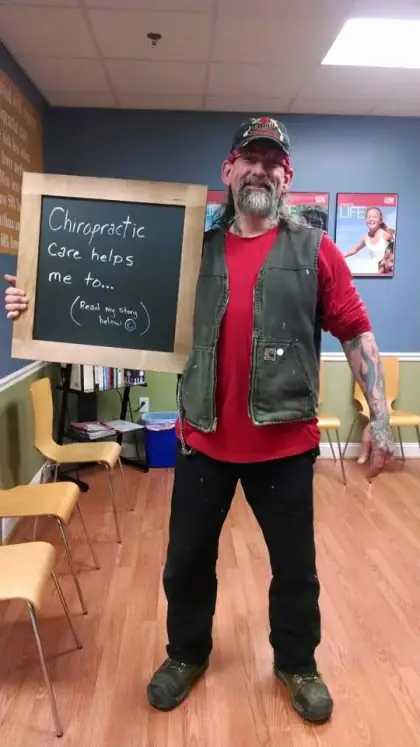
“Chiropractic care helps me to keep up with my coworkers who weren’t even born when I started doing construction.”
“Chiropractic care helps me to sleep. I had such horrible neck pain it made it impossible to sleep. Since starting chiropractic care I sleep like a baby.”
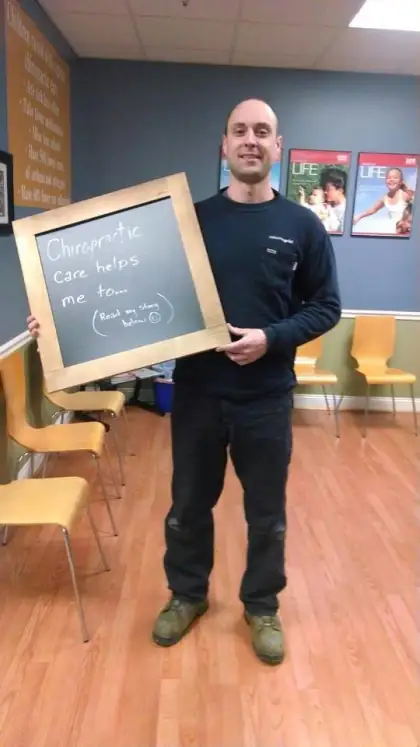
“Chiropractic care helps me to feel comfortable while working, fishing, mountain biking and doing all my activities throughout the day.”
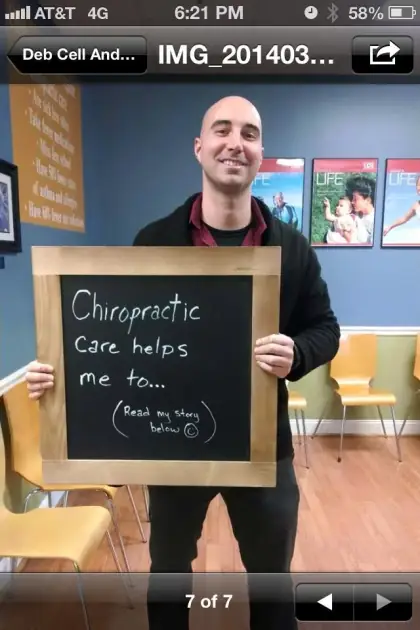
“Chiropractic care helps me to stay young and compete athletically at a level I am happy with.”

“Chiropractic care helps me to have a better attitude and more confidence in myself and my abilities.”

“Chiropractic care helps me to finally get a good night’s sleep. The pain in my arms and shoulders prevented me from getting into any kind of comfortable position. Now I feel great, am active, work out, am able to do yard work and around the house and still have energy to play with my grandkids.”

“Chiropractic care helps me to be a better horseback rider. By getting adjusted it helps me to balance better and sit up tall in the saddle and compete in dressage competitions successfully.”

“Chiropractic care helps me to run, workout, smile, laugh, dance and work. My back hasn’t felt this good in a long time.”

“Chiropractic care helps me to live my life more fully and enjoy an active daily routine. I was diagnosed with MS many years ago, I can now enjoy everyday activities knowing my nervous system is healthier. Life is good!”
Your story is next.
Call or request an appointment and see what chiropractic can do for you and your family.
Request an appointmentMore patient stories







Contact Us · Location
Come see us in Wareham
Our Location
New England Family Chiropractic260 Marion Rd.
Wareham, MA 02571
Office Hours
| Monday | 8–11AM & 3–6PM |
|---|---|
| Tuesday | 7–10AM |
| Wednesday | 8–11AM & 3–6PM |
| Thursday | Closed |
| Friday | 8–11AM & 3–6PM |
| Saturday | 7–10AM |